In Istanbul, access means something specific. And it is worth being precise about what that is.
The city has two registers. The first is the one most visitors encounter — the Hagia Sophia, the Grand Bazaar, the Bosphorus at sunset, the rooftop restaurants with their carefully composed views. These are not fraudulent. Istanbul's public face is genuinely magnificent. But it is a surface, and surfaces, by definition, do not go deep.
The second register is the one that takes years to reach. It is the Istanbul of the private hans tucked behind the bazaar, where fifth-generation merchants still conduct business by handshake and where the concept of a price list would be considered an insult. It is the Istanbul of the Beyoğlu collectors — people who have been acquiring contemporary Turkish art for decades, not because it is fashionable, but because they understand what is being made here and why it matters. It is the Istanbul of the Ottoman palace rooms that have not been open since the nineteenth century, where dinner is still possible — if you know how to ask, and if you have earned the right to ask.
This is the cultural world of Istanbul that CREARE was built around. Not as a concept, but as a lived reality.
Private experiences in Istanbul are not defined by price. They are defined by relationship. The difference between a guest and a tourist in this city is not what they spend — it is what they bring. Curiosity, patience, and a genuine willingness to be changed by what they encounter. Istanbul rewards these qualities. It is indifferent to everything else.
Consider what it means to dine in the private chambers of Beylerbeyi Palace — rooms that have not been open to the public since 1869, where the Ottoman sultans received their most significant guests. The Beylerbeyi 1869 experience is not a dinner. It is a conversation with a specific moment in history, conducted in the room where that history was made. The food is secondary. The architecture is secondary. What matters is the quality of attention you bring to the space.
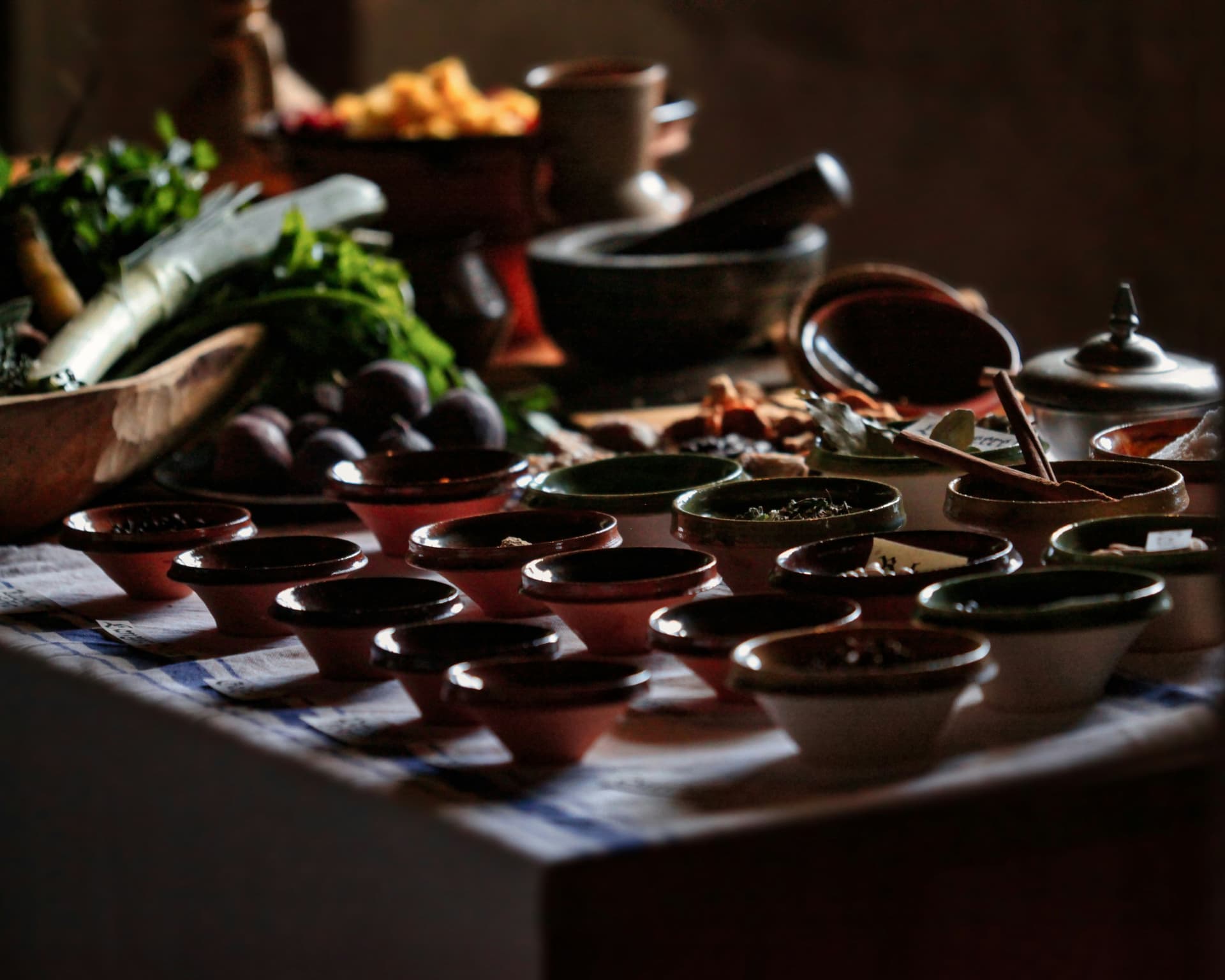
Or consider the Imperial Flavors experience — a culinary journey through the Ottoman imperial kitchen tradition, built around dishes reconstructed from sixteenth-century palace manuscripts. This is not a cooking class. It is an act of historical recovery, conducted in a restored nineteenth-century konağ in the Fatih district, with a chef who has spent years understanding what the Ottoman court ate and why. The flavours are extraordinary. But the real experience is the understanding of what those flavours meant — of what it tells us about a civilisation that it chose to eat this way.
Cultural access in Istanbul is not publicly available because it cannot be. It exists within a web of relationships that took decades to build and that require constant maintenance. The historian who will walk you through a Byzantine cistern that is not on any tourist map is not available because he is listed somewhere. He is available because someone who introduced you to him trusts him.
This is what access really means in Istanbul. Not a door that opens when you present a credit card. A door that opens because someone who knows you vouched for you to someone who knows the city.
The city has been doing this for two thousand years. It is very good at knowing the difference.