The most significant form of privacy in travel is not spatial. It is relational. It is the privacy of an encounter that was not designed for public consumption — that exists within a web of relationships and that would not survive being made available to everyone. This kind of privacy is not about exclusion. It is about the specific conditions that make a genuine encounter possible.
Consider what those conditions are.
The first condition is trust. A genuine private experience requires that the person or institution offering it trusts the person receiving it. This trust is not automatic. It is built through introduction, through demonstrated seriousness, through the evidence that the guest understands what they are being offered and will treat it with the respect it deserves. The historian who will walk you through a Byzantine cistern that is not on any tourist map is not doing so because you paid a fee. He is doing so because someone he trusts introduced you to him, and because that introduction carried with it an implicit guarantee of your quality of attention.
The second condition is reciprocity. A genuine private experience is not a transaction. It is an exchange — of knowledge, of hospitality, of the particular quality of presence that comes from being genuinely interested in what is happening. The collector who opens her private gallery for a viewing is not performing a service. She is sharing something she cares about with someone she believes will care about it too. The reciprocity is not financial. It is attentional.
The third condition is irreproducibility. A genuine private experience cannot be repeated in exactly the same form. The dinner in the Ottoman palace will not happen again with the same guests, the same historian, the same quality of conversation. The viewing of the private collection will not produce the same discoveries twice. This irreproducibility is not a limitation. It is the source of the experience's value. It is what makes it an encounter rather than a product.
The cultural world of Istanbul is built around these conditions. Around the understanding that the city's most significant experiences are not the ones that have been designed for visitors, but the ones that exist within the city's own life — within its relationships, its institutions, its private spaces — and that are accessible only to those who have earned the right of access.
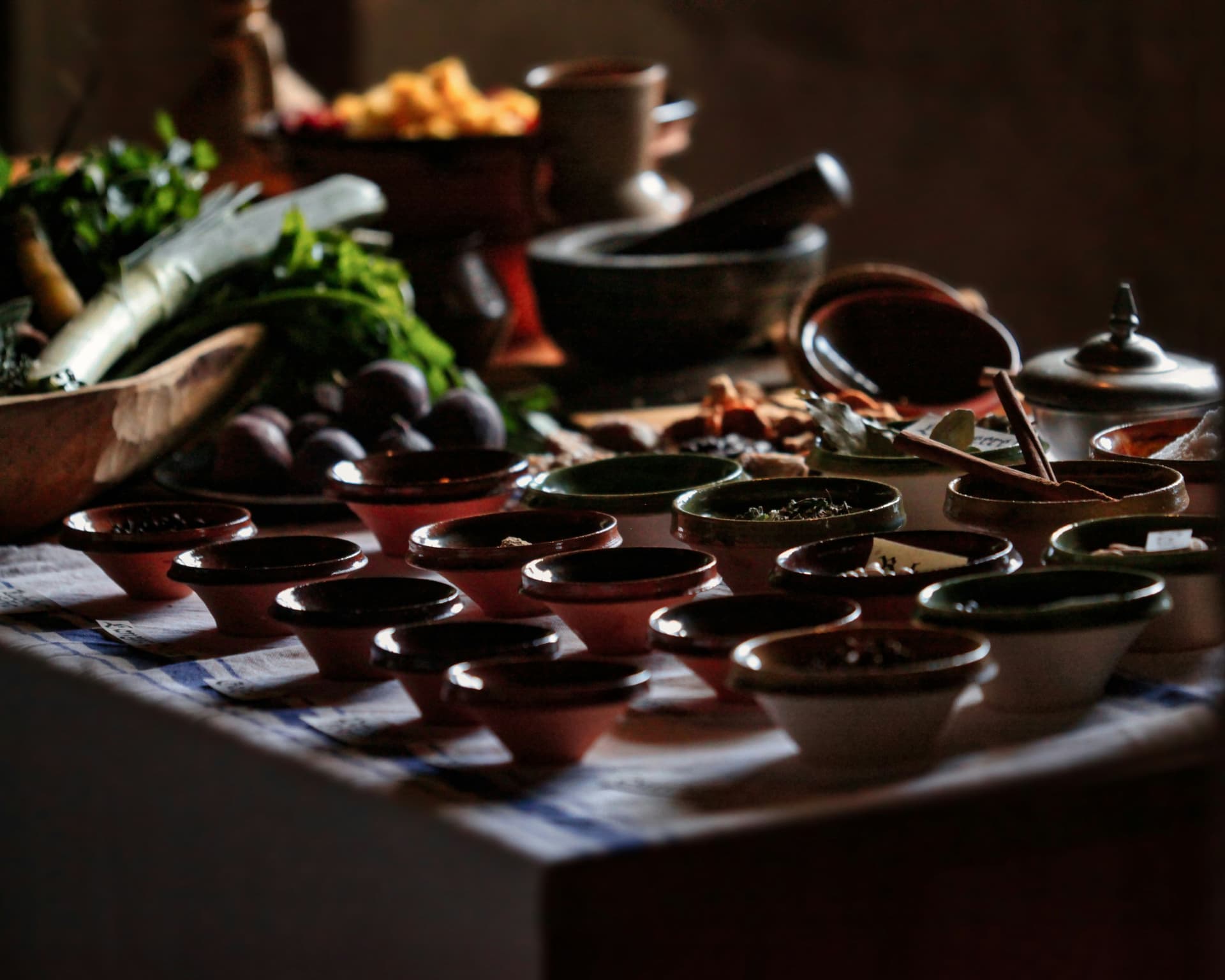
The Imperial Flavors experience illustrates the first condition. A culinary journey through the Ottoman imperial kitchen tradition, built around dishes reconstructed from sixteenth-century palace manuscripts, conducted in a restored nineteenth-century konağ in the Fatih district. The chef who leads this experience has spent years in the Ottoman archives, understanding what the imperial court ate and why. The experience is not available publicly. It is arranged through introduction, for guests who have demonstrated a genuine interest in Ottoman cultural history. The trust that makes it possible is the trust between the chef and the people who introduce guests to him — a trust that has been built over years of shared engagement with the same material.
The Beylerbeyi 1869 experience illustrates the second condition. A private dinner in the chambers of Beylerbeyi Palace — rooms that have not been open to the public since the nineteenth century. The reciprocity here is between the guest and the history of the space. The palace is not performing for you. It is simply being what it is — a room where significant things happened, that has been waiting, in its way, for guests who are capable of understanding what those things were. The guest's reciprocity is the quality of attention they bring. The palace's reciprocity is the quality of encounter it makes possible.
The third condition — irreproducibility — is the hardest to design for and the easiest to recognise when it is present. It is the quality of an experience that could not have happened at any other time, with any other people, in any other configuration. It is the quality of a conversation that produces an understanding that neither party had before the conversation began. It is the quality of a moment in a landscape — the light at a specific hour, the silence at a specific depth — that will not recur in exactly that form.
This quality cannot be manufactured. It can only be cultivated — through the patient building of relationships, through the careful composition of encounters, through the willingness to let the place and the people determine what the experience will be rather than imposing a predetermined structure on it.
What makes an experience truly private is not the absence of other people. It is the presence of the right conditions. And the right conditions are not for sale. They are the consequence of a way of working — of a relationship with a place and its people that has been built over time, with care, and with the understanding that the most significant encounters are the ones that were never designed to be experiences at all.
They were designed to be something else. The invitation is to be present for that something else — with the seriousness it deserves, and the patience it requires.