This is one version of Bodrum. It is real, and it has its own logic. But it is not the version that stays with you.
The Bodrum that stays is older and quieter. It is the Bodrum of the Halicarnassus ruins — one of the Seven Wonders of the Ancient World, now a modest archaeological site on the edge of the modern town, visited by almost no one at the hours when it is worth visiting. At six in the morning, before the heat arrives and before the tour groups form, you can stand in the ruins of Mausolus's tomb and feel the full weight of what was built here. The scale of the ambition. The fact that a man in the fourth century BC was so determined to be remembered that he commissioned a monument so extraordinary it gave the English language a word for monumental burial. That word is mausoleum. It came from here.
The cultural world of Bodrum is built around this kind of depth — the understanding that the peninsula is not primarily a leisure destination, but a place where civilisation has been accumulating for three millennia, and where that accumulation is still visible if you know where to look.
Beyond the ruins, there is the Bodrum of the traditional gulet builders. In the villages east of the marina — Yalıkavak, Turgutreis, the smaller settlements along the peninsula's northern coast — craftsmen still build wooden boats using techniques that have not changed in centuries. The boats are beautiful in the way that functional objects made by skilled hands are always beautiful: without ornament, without apology, shaped entirely by the requirements of the sea. Watching one being built is an education in the relationship between material and purpose that no design school can replicate.
And then there is the Aegean table. This is perhaps the most misunderstood thing about Bodrum — the food. The international restaurants along the marina are fine. But they are not the point. The point is the family-run meyhane in a village fifteen minutes from the centre, where the octopus has been drying in the sun since morning and the olive oil comes from trees that are older than the republic. Where the fish was caught that morning and is served that evening with nothing more than lemon and salt, because nothing more is needed. Where the wine is local and slightly rough and exactly right.
Private experiences in Bodrum are not about spectacle. They are about pace. About slowing down enough to notice what the light does to the stone at four in the afternoon — the way it turns the limestone of the castle from white to gold to amber in the space of an hour. About eating with people who have been eating at the same table for fifty years, who know the names of the fishermen and the farmers and who understand that the food on the table is not a product but a relationship.
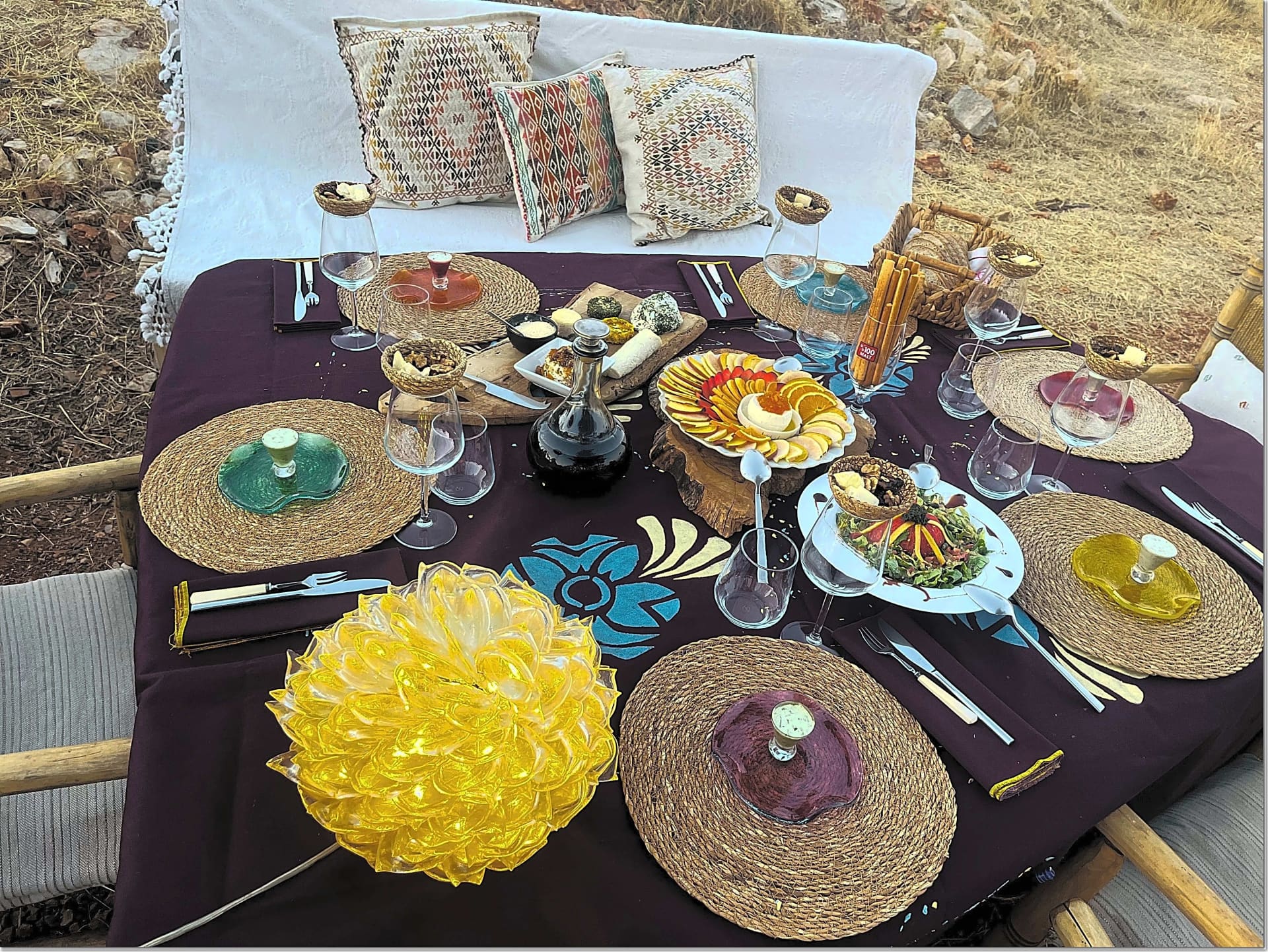
Farm-to-Table Bodrum brings the agricultural landscape into the evening. A private sunset aperitif with cheese and wine leads to a chef-prepared set dinner among the olive trees of a working farm. The experience is arranged for a maximum of eight guests, with ingredients sourced from the farm and selected local producers. Private arrival and return transfers are included. The menu and precise flow may vary with the season and operating conditions at the farm.
Exclusive access in Bodrum means something different than it does in a city. It does not mean a velvet rope or a private entrance. It means being invited into a rhythm. Into a relationship with a place that has been shaped by the sea for three thousand years and that has no particular interest in performing for visitors.
The Aegean does not perform. It simply continues. The invitation is to join it — on its own terms, at its own pace, with the patience that the place requires and rewards.